The most revealing thing about a group is what happens when you say no. Anyone can look like a lovely bunch of people while you’re agreeing with them. Ask where the money went or say you’re taking a month off. Now you’re learning something.
The warning signs of a cult show up when ordinary choices start costing you. Ask a question and get shamed. Turn down an unpaid shift and suddenly you’re the selfish prick. Talk about leaving and find out which friends are still allowed to call. If someone you love may be in a cult, stay in touch and ask what happens when they say no. If they want to leave, offer practical help and get specialist advice if there’s a safety risk.
What are the warning signs of a cult?
A religious group, a self-help programme or a political movement can ask a lot of its members. How much say do you get over what you give? In a 2015 study of group psychological abuse, researchers led by Álvaro Rodríguez-Carballeira described it as a pattern that plays out over time. The group can cut you off from people you trust, decide what information you see and start making decisions you used to make yourself.
1. Asking questions gets you punished
You ask how a decision was made. Somehow the discussion becomes a review of your attitude. In a high-control group, asking for evidence can get you publicly shamed, demoted or frozen out. Watch what happens to the last person who asked a fair question in front of everyone.
2. The cult leader answers to nobody

A charismatic leader can be a brilliant speaker and genuinely help people. Can anyone investigate a serious complaint about them without their permission? If the person signing off on the investigation is also the person being investigated, you’ve got a suggestion box with a shredder underneath it.
3. People outside the group become the enemy
Old friends are supposedly holding you back. Family who ask questions are a bad influence. Former members get written off as bitter or dangerous, and their version of events is out of bounds. Over time, the group becomes where you go for company, advice and an explanation of why nobody else can be trusted.
4. The group starts running your day-to-day life
You give up a few Saturdays because the work matters to you. Then you make plans for next Saturday and find out they think it’s theirs. Look at who gets a say in where you live, who you date or what you do for work. Whose permission do you need? What happens if you go ahead without it?
5. The demands for money, labour or private information keep growing
An ordinary donation leaves you free to decline. A coercive demand comes with a price for saying no. You can lose standing for skipping an unpaid shift, get pressured to hand over a bigger share of your income, or find that something you said in confidence can be held over you.
In NXIVM’s secret subgroup DOS, that leverage had a name. “Collateral.” The U.S. Department of Justice’s account of the NXIVM case describes how women were recruited with the promise of mentorship, then made to hand over sensitive material to keep them from leaving or speaking out. NXIVM founder Keith Raniere was sentenced to 120 years in prison in 2020 after convictions that included racketeering and sex trafficking.
6. You find out what you joined after you’ve joined
The free workshop gets you in the room. By the time somebody mentions the extra nights a week and the things you’ll be expected to keep secret, half your new friends are already sitting next to you. The Victorian inquiry’s findings on informed membership suggest a simple question. Would you have come to that first workshop if they’d told you what they’d ask of you a month later?
7. Leaving comes with a penalty
People may miss you when you leave any community. The Victorian inquiry into high-control groups heard how people were cut off by those closest to them after leaving. You may fear harassment or find your job and housing depend on staying in good standing. Ask what happened to the last person who left quietly. If nobody can tell you, ask what it would cost them to find out.
How can you tell if someone is in a cult?
If you’re worried someone you love has joined a cult, start with how much choice they still have. Can they see friends outside the group? Can they turn down a request for money or time? Can they ask the leader a difficult question and come back next week? A person taking up a new religion or talking about a retreat until the rest of the table loses the will to order dessert tells you very little. A pattern of fear, isolation and penalties for making their own choices tells you considerably more. Take an immediate threat seriously on its own.
Quora can give you a list of warning signs. Your mate might tell you why they stopped coming round.
What does psychological manipulation look like in practice?
People reach for words like brainwashing or mind control when someone they know seems to change overnight. Steven Hassan’s BITE model gives you something concrete to look at. Who gets to decide what a member does, what information they see, and what they’re supposed to think and feel?
Psychiatrist Robert Jay Lifton’s work on thought reform describes how a group can make its doctrine count for more than your own experience. Say the meetings are making you miserable. The leader tells you that misery is proof the programme is working. Now the very thing that made you question it is being used to keep you there.
How to help someone leave a cult
Stay in their life outside the group
Keep inviting them to the barbecue. When you’re talking to someone in a high-control group, ask what they like about the group and listen to the answer. If you’ve seen something worrying, name it plainly. “You said you wanted to take Saturday off and they told you to cancel your plans. What would have happened if you’d gone anyway?” Give them time to answer. If you turn every coffee into a cross-examination, don’t be surprised when they stop coming for coffee.
Make leaving a cult practical
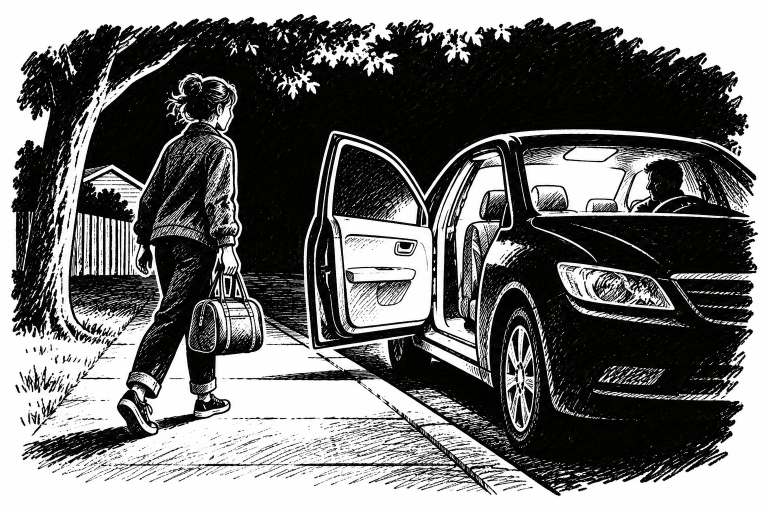
“You can always leave.” Sure. Where are you sleeping on Tuesday if the group provides your bed, your pay and most of the names in your phone? If they want help getting out of a cult, ask what would make leaving possible. That might be a lift, a place to stay, or help accessing money, medication and identity documents. Agree on a safe way to stay in touch if they’re worried their messages are monitored. If you’re the one thinking about leaving, start with one trusted person outside the group and work out where you could safely go. Get specialist help with a safety plan if you fear retaliation.
Know where to get support in Australia
Call Triple Zero (000) if someone is in immediate danger. Cult Information and Family Support (CIFS) offers volunteer-led information and guidance to people and families affected by high-control groups. If domestic, family or sexual violence is involved, 1800RESPECT offers 24/7 support and can help with safety planning on 1800 737 732.
Keep showing up after they leave
Former cult members can feel relieved and miss the group at the same time. They may have lost friends or family, and making ordinary decisions again can feel strange. When the first rush of people asking what happened dies down, keep inviting them for dinner. Let them talk about the footy if they want to talk about the footy.
In my book You’re in a Cult, I look at how easily belonging becomes part of your identity. Once it does, changing your mind can feel like walking out on everyone you love. That’s a hell of a price to put on an honest question.
If they call you for a lift, ask where to pick them up. Save the lecture for never.